
 The Episcopal role is a complex one. When I commenced my current appointment, I drew out a list of “Key Performance Indicators” from the Ordinal by which I could monitor my progress and be accountable. The list has 13 items! Best practice to keep an organisational leader focussed is somewhere between 3 and 5 KPIs. As I say, it is a complex role – that includes not only teaching, preaching, promoting mission and leading the clergy, but also ordaining and licencing, caring for the poor, correcting doctrine and exercising discipline, pastoring the people and saying one’s prayers.
Then there is the “unwritten job description” that is the expectations people have of the role! And all of this takes place in the presence of the Synod who have elected a bishop to lead and who now provide the governance guardrails for that leadership.
In this article I am going to focus mostly on how the bishop leads and then reflect on what that means for synodical governance. I want to suggest four ways in which the bishop exercises his or her leadership in the diocese.
1. Leading through Teaching and Preaching
As a pastor and a guardian of the truth, the bishop is primarily a teacher of God’s word.
Are you persuaded that the holy Scriptures contain sufficiently all doctrine required of necessity for eternal salvation through faith in Jesus Christ? And are you determined out of the same holy Scriptures to instruct the people committed to your charge, and to teach … (BCP Ordinal – emphasis mine)
Teaching the Bible is the primary way that bishops exercise their leadership. “A bishop without a Bible is no bishop at all”. (Peter Adam, in his sermon at my consecration) Of course, the contexts and opportunities for this vary a great a deal. Most lay people only see the bishop once a year or every couple of years, at best, on a Sunday visit.
But in my view bishops ought to take every opportunity to teach the Word that they can. I have been so edified by the bishops who, in their already busy jobs, continue to teach the Bible at conferences, not just for clergy but for lay people. For the last 10 years in Tasmania, we have held an annual gathering called “The Bishop’s Training Event”.
Along with seminars and a keynote speaker on various topics, it has been a wonderful opportunity to teach the Bible to the leaders in our churches each year. And of course, the Synod sermon and Presidential address provide yet another avenue.
I have always been curious why most bishops I have served under have used guest preachers for ordinations, Synods, and Bible studies at clergy conferences. Surely these are natural moments for the bishop to pastor his or her people and lead clergy by teaching the word to them.
My clergy and my synod might be a little sick of my voice, but I consider them my primary “congregation” and annually plan my teaching and preaching to them accordingly.
Let us not lose sight of the fact that our God is a speaking God who leads his people by his Word. How our Synods are enriched by strong teaching of the Word that then gets reused throughout the meeting. Bishops as undershepherds of the Great Shepherd should “Preach the word; be prepared in season and out of season; correct, rebuke and encourage—with great patience and careful instruction.” (2 Timothy 4:2)
2. Leading through Culture Setting
The management consultant Peter Drucker is reputed to have said “culture eats strategy for breakfast”. Culture, “the way we do things around here”, is more powerful than all the goals and strategies we might set, to shape an organisation. Promoting a constructive mission culture is one way that the bishop can exercise significant leadership.
Telling people what they can expect, what values matter, and what makes us tick is vital and must be backed by action. If we want diocesan cultures that are open and transparent, that value good communication and take gospel risks, then bishops should say so and then do it. Bishops who return their calls, answer their emails, respond to need, and encourage gospel risk-taking in parishes can create a positive, light-filled culture.
In our Synod and across the diocese we talk a lot about our Vision – to be a church for Tasmania, Making disciples of Jesus. We mention it whenever we speak, so that the culture and expectation of disciple making is at the forefront of our minds. We speak about our values of transformation, boldness, perseverance, joy, and generosity. Our Synod and Council business revolves around our Vision, Values and Strategy. We set expectations for parish priorities and then report our progress back to the Synod for accountability.
After 10 years in the saddle, the culture has changed. There is more evangelism than ever before, our clergy are taking gospel risks, we are constantly learning and growing, we expect each other to show up and communicate, we are bolder, more persevering, joyful and generous than we have been. None of this is accidental.
Synods of course have a culture of their own. I have been in some hostile ones where the deep divisions among people and theologies must have caused the bishops presiding over them much grief. I am so delighted that the culture of the Synod in Tasmania is one that embraces difference but is united in the things that matter. What makes a good Synod culture? When people are engaged.
When minds are stretched. When hearts are moved. When there is laughter (and maybe a few tears). When there is unity and joy. When there is purpose. These are the marks of a healthy Synod culture.
3. Leading through Appointments
One of the guiding principles of CMS is that “under God, all will depend on the type of people sent out”, and we can certainly attest to the truth of that in the Anglican Church more widely. In some ways, the power of appointments is one of the strongest leadership “levers” that a bishop has to pull. Who they choose to ordain, licence, and appoint to parishes and other roles including Synod is a significant way to exercise influence and leadership.
Will you be faithful in ordaining, sending, or laying hands upon others? (BCP Ordinal)
Over the last decade we have worked hard on appointing the right team to achieve our vision. We are most interested in developing a strong local leadership pipeline; taking every opportunity to get to know the young people of our diocese and speak at their camps and congregations about opportunities to serve.
Casting a vision for ordination and vocational ministry is key to the bishop’s leadership. I am always asking my clergy who the people are that they are raising up for leadership, who are the “people worth watching” to consider vocational ministry. Each year I have held a dinner for young leaders to encourage them to consider ministry. Three of the young people who attended those dinners are now ordinands for the Diocese.
The bishop gets to influence the culture and direction of the diocese in the appointments to parishes as well. The bishop gets the final say who gets licenced to a parish. Getting the right team of clergy in place certainly sets the direction.
Of course there are other appointments that are critical. In our context the bishop appoints members to the three Anglican school boards, the Board of Anglicare and a number of other bodies including Synod appointments. Raising up, training and deploying excellent gospel minded people to these roles ensures that the diocese is led to more and more effectiveness.
4. Leading in Vision and Strategy
I have left this until last, not because I think it is unimportant, but because I think the other three areas above have a greater effectiveness for the bishop’s leadership, and I realise not everyone loves a strategic plan. It is not in the ordinal, nor is strategic planning a New Testament requirement for church leadership.
However, planning and aiming for something focussed and having shared language around those aspirations can keep us on track.
Reflecting on the scriptures, listening to the desires of others, assessing what we are good at and where we are weak, discerning the external culture and challenges, dreaming where we want to be in a certain period, and then planning how we will get there, is the basic job. I think the bishop has a critical role in leading and guiding this process and then communicating it widely.
Of course, the bigger and more complex the diocese, the more difficult a job this is, but having something in place does help us with communicating what is important to us, what expectations there are on each other, and how we will be accountable. We measure what matters to us, and a good strategic plan will help us measure the right things and pay attention to them.
Leading with Synod and Council
The bishop’s leading meets its governance framework in the Synod and between them with the Diocesan Council (or Bishop-in-Council or Standing Committee). Where this works well the Synod graciously receives the leadership of the bishop and enables that leadership through providing governance guardrails. The guardrails include providing a legislative framework to allow the bishop’s leadership to be applied in an orderly way, and the provision of resources through diocesan budgets.
Of course, “guardrails” implies direction and sometimes they should push back on the bishop’s plans, if the group decides that they don’t want to follow. That would not be a failure, but the right operation of these frameworks.
The Synod is the appropriate body to adopt and endorse the strategic direction of the diocese. I rely on my Diocesan Council to provide me counsel and guidance on the strategic priorities as we plan. They are sounding board and trusted advisors from a range of perspectives that make my leadership more focussed and more effective. And then the Synod gives a solid mandate when they endorse the direction.
I was so grateful that when we took the difficult decision a few years ago to sell church properties to raise funds for our redress liabilities, I had the backing and the endorsement of parishes in Tasmania via the Synod. It added integrity and confidence to a difficult period of leadership. To stand in front of the media and in contested public meetings, with the Synod behind me, was a great gift.
While anyone is free to put a matter on the Synod’s agenda, we have tried to use Synod proactively, shaping its business around the contours of our strategic plan and embodying aspects of it in our gathering. Reporting back to Synod each year creates a rhythm of accountability that keeps the diocese honest about whether what we said we would do is actually being done.
I think it best to see the relationship between the Synod, the Council and the Bishop as a mission partnership. The bishop leads; Synod governs; Council steers between gatherings. Each needs the others to do its work well, so that together we might fulfil the Great Commission to make disciples of Jesus.
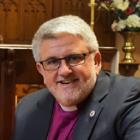
Richard Condie has been the Bishop of Tasmania since 2016.