
I Speak for Black People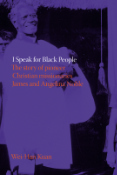
WEI-HAN KUAN
Broad Continent Publishing
Reviewed by Joy Sandefur
This informative book tells the story of pioneer Aboriginal missionaries Rev James and Angelina Noble. Three times they were sent as missionaries to remote Aboriginal people by the missionary-minded Aboriginal church at Yarrabah in Queensland.
Wei-Han Kuan’s book makes a valuable contribution to Australian missionary literature as he introduces us to the Nobles as mature and faithful missionaries. He describes them as faithfully living and communicating the gospel, resulting in many becoming Christians. They were ahead of the norm of the time as they taught people new skills and then trusted them to use them responsibly.
Kuan notes the Nobles were part of the 1904 missionary expedition to start a mission at Mitchell River, today known as Kowanyama. Missionary Gribble led the expedition that also included three white and six Aboriginal missionaries from Yarrabah. The inclusion of Angelina revealed the need for a ministry by women to women.
In 1908 this remarkable couple were part of the missionary team founding the mission at Roper River, now known as Ngukurr in the NT. We learn that the Yarrabah church had a say in deciding who was included in this expedition. The white missionaries were hesitant to include Angelina as they were planning to create a safe haven for Aborigines who were being cleared from the land to make way for a large cattle station. The Aboriginal Church at Yarrabah voted unanimously that Angelina should go with James.
James had leadership skills in taking church services and leading other activities. Angelina was a gifted linguist and communicator. When I went to live at Ngukurr in 1976 people told me that it was James Noble who had brought them the gospel. James and Angelina returned to Yarrabah after two years due to health issues.
They never lost their commitment to serving as missionaries. Again, they answered the call in 1914 to go to Forrest River Mission in the Kimberley region of North Australia. They faithfully served there until 1932.
Within a year of the arrival of James and Angelina a school was established. As a black woman with children Angelina was trusted. Within a year large numbers were attending the weekly church service led by James. Angelina translated for James, Gribble and for visiting local government officials. For a period of 6 years at Forrest River, Angelina was the only female missionary and was in charge of the school dormitory, health care, baking, and teaching laundry and cooking skills.
In 1925 Gribble and James Noble did a nine month missionary deputation which started in Perth and travelled all the way to Brisbane. James was very well received. The tour culminated in Geraldton where James Noble was the first Aboriginal person ordained as a deacon in the Anglican Church. Many Aboriginal Christians have followed in his steps in the 100 years after his ordination.
After ordination life was difficult at Forrest River. Land was being cleared of Aboriginal people to make room for cattle stations. Massacres occurred and James found evidence that the bodies had been burned. The missionaries painstakingly documented who had died. The Royal Commission into the massacres rejected their evidence. After that, the entire white population of Wyndham shunned Gribble and the mission. Gribble left in 1928 with the Aboriginal people weeping as he left. James and Angelina served faithfully until 1932.
I commend this book to you. It introduces us to Aboriginal people in remote places faithfully sharing the gospel with other tribes.
Rev Dr Joy Sandefur spent 25 years working in the north of Australia with Wycliffe Bible translators and The Bush Church Aid Society. Joy was a member of the Kriol Bible Translation Project, worked at Nungalinya College and supported the Anglican Indigenous churches in Arnhem Land.